

Hanukkah, also known as the Festival of Lights, is a Jewish holiday that commemorates the rededication of the Second Temple in Jerusalem during the second century BCE. This celebration honors the victory of the Maccabees, a small group of Jewish rebels, over the much larger Seleucid army (Greco-Macedonian core), and the miracle that followed. The holiday lasts for eight days and nights, symbolizing the miraculous endurance of a small amount of sacred oil that kept the temple’s menorah burning far longer than expected.
The significance of Hanukkah lies in its themes of resilience, faith, and the triumph of light over darkness. It serves as a reminder of the importance of religious freedom and the power of hope in the face of adversity. Lighting the menorah each night during Hanukkah is a central ritual that commemorates the miracle of the oil and the perseverance of the Jewish people.
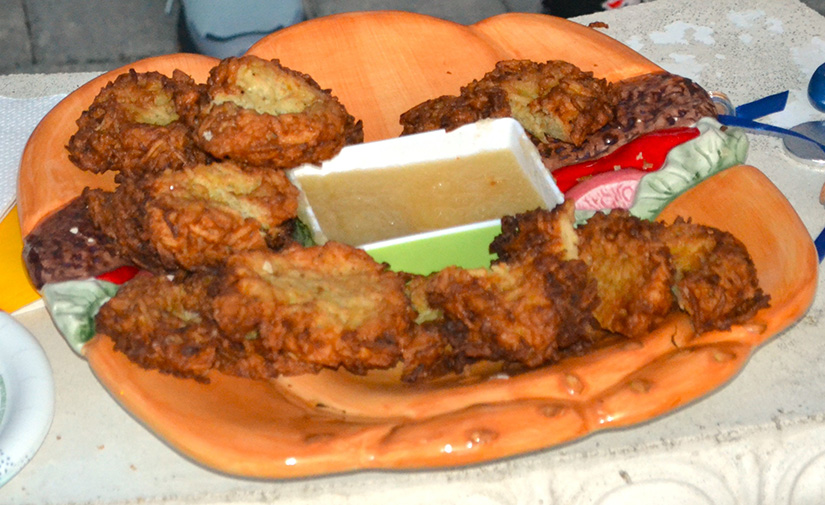
Food plays a vital role in Hanukkah celebrations, with particular emphasis on dishes fried in oil. This culinary tradition directly connects to the miracle of the oil that lasted eight days. Among the most iconic Hanukkah foods are latkes and Sufganiyot, both of which are fried to honor this miracle.
Latkes are potato pancakes that originated in Eastern European Jewish communities. They are made by grating potatoes and mixing them with onions, eggs, and flour before frying them in oil until golden and crispy. Latkes are cherished not only for their delicious taste but also for their symbolic connection to the oil miracle. Eating latkes during Hanukkah is a way to remember and celebrate the enduring light that sustained the temple.
Sufganiyot, on the other hand, are jelly-filled doughnuts that are especially popular in Israeli Hanukkah celebrations. These sweet treats are deep-fried in oil and often dusted with powdered sugar. Like latkes, Sufganiyot symbolizes the miracle of the oil and has become a festive favorite that brings joy to both children and adults during the holiday.
Together, latkes and Sufganiyot represent the blending of cultural traditions and religious symbolism that make Hanukkah a rich and meaningful celebration. They provide a tangible connection to history and faith, allowing families to come together and share in the story of perseverance and hope.
In conclusion, Hanukkah is a holiday steeped in historical significance and spiritual meaning. The tradition of eating latkes and Sufganiyot during this time is more than just a culinary choice; it is a delicious way to honor the miracle of the oil and the enduring spirit of the Jewish people. Through these foods, the story of Hanukkah continues to be passed down from generation to generation, keeping the light of the festival alive in homes around the world.
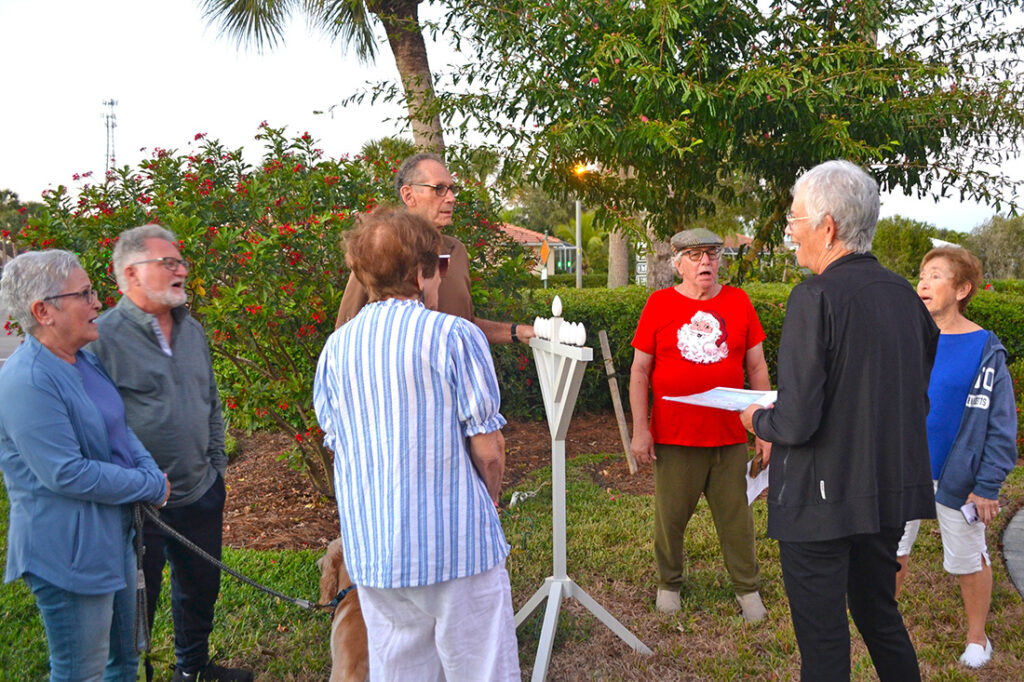
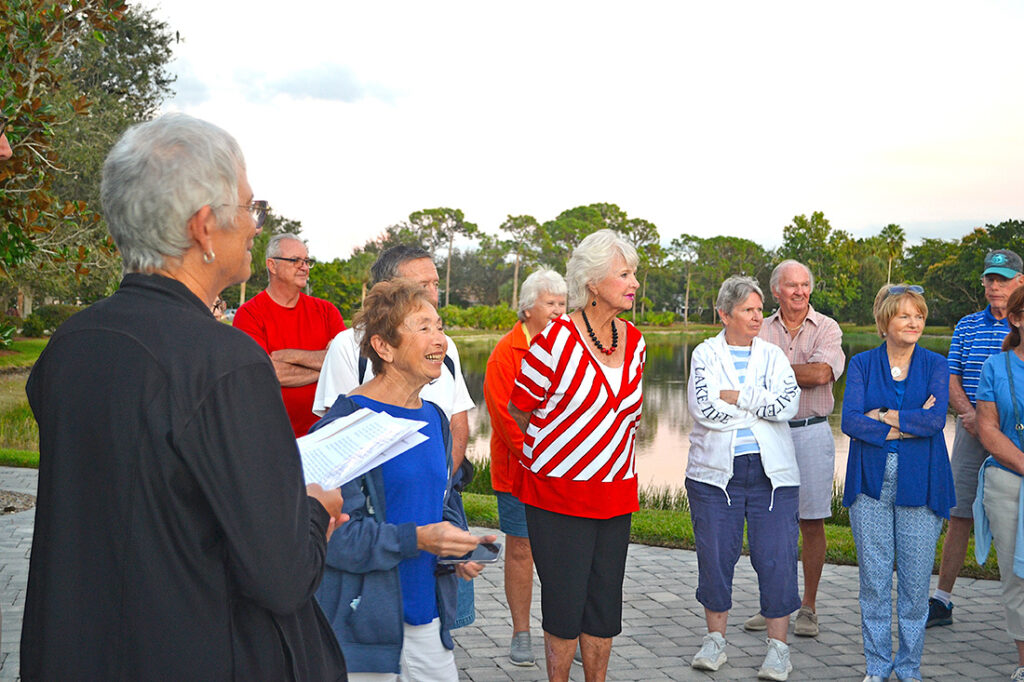
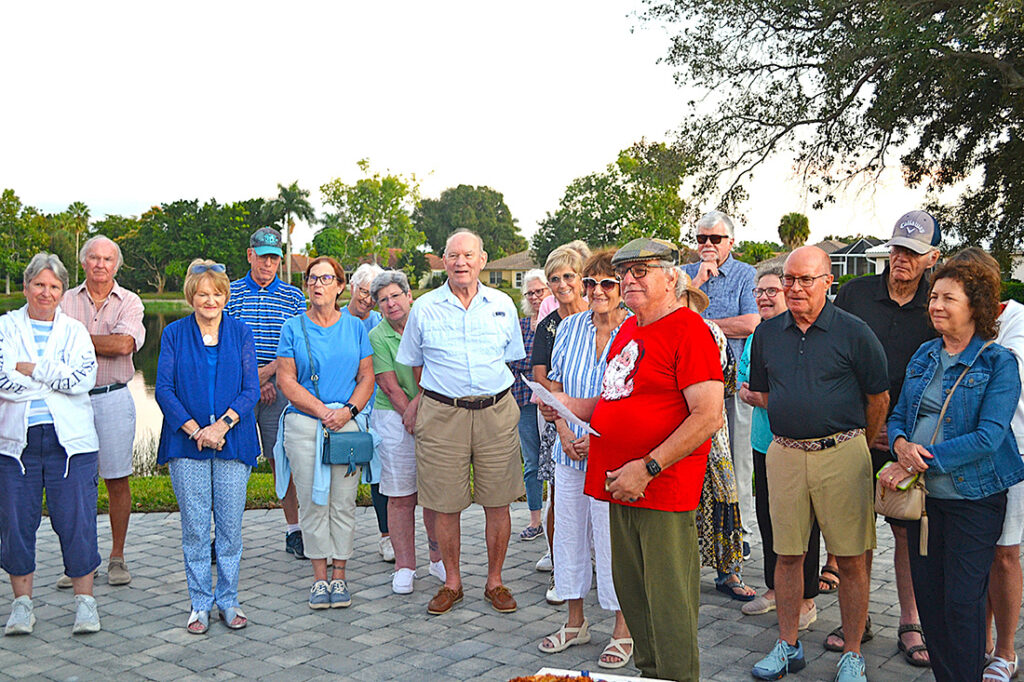
I personally want to thank all those who attended the Lighting of the Menorah on the first night of Hanukkah and for the support they showed to our small Jewish community in Herons Glen. This support is especially appreciated this year.