

Everyone loves pulling up to a home with healthy lawns, colorful flowers and neatly landscaped gardens. Realtors call it curb appeal, and the good news is that anyone can create it with a little planning.
One of the biggest challenges for Florida gardeners is that our warm climate and sandy soil are welcoming to almost everything including invasive plants. While many of these plants may look attractive, they can quickly take over your landscape and crowd out the plants that belong here.
WHAT IS AN INVASIVE PLANT?
An invasive plant is a non-native species that spreads aggressively and harms Florida’s environment. These plants compete with native species, disrupt wildlife habitats, increase fire risk and, in some cases, interfere with natural water flow.
The tricky part? Many invasive plants look beautiful at first. That’s why it’s important to research before you plant.
A TRUSTED RESOURCE
Not sure whether a plant belongs in your yard?
One of the best resources is the UF/IFAS Assessment of Non-Native Plants in Florida. The site helps homeowners:
• Determine whether a plant is appropriate for Florida.
• Recommend safer alternatives.
• Evaluate non-native plants, hybrids and cultivars.
• Protect Florida’s natural ecosystems and wildlife.
The assessment also helps match plants to your yard’s sun, soil and growing conditions.
If you need help identifying a plant, try the Seek app. You can also contact the Lee County Extension Office at 239-533-4327 for assistance.
TWO INVASIVE TREES FOUND IN HERONS GLEN
Because Herons Glen is located in Florida’s tropical growing zone (Zone 10), invasive species are already established here. Two of the most common are:
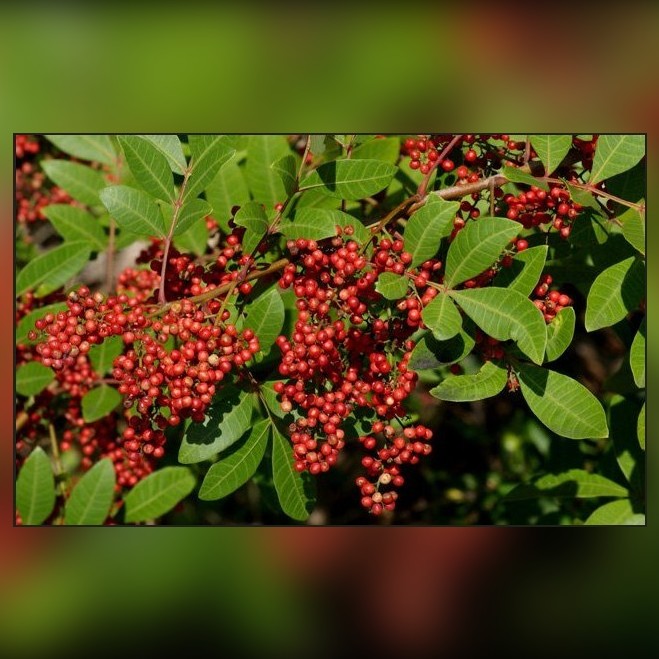
BRAZILIAN PEPPER
• A Class I invasive species.
• Can grow 23 to 33 feet tall.
• Has a shallow root system and spreads aggressively.
CARROTWOOD
• Native to Australia.
• Can grow up to 36 feet tall.
• Introduced to Florida as an ornamental tree in the 1960s.
• Produces large numbers of seeds that easily spread.
WHY ARE THEY SPREADING?
Both trees produce bright, colorful berries that birds love to eat. After feeding, birds spread the seeds through their droppings, often depositing them into shrubs, flower beds and lawns.
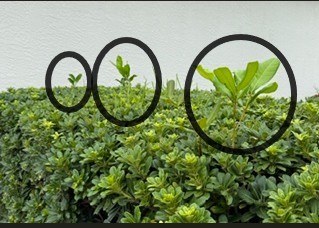
Homeowners often notice thin, fast-growing shoots popping up through established hedges. These seedlings are sometimes mistaken for desirable shrubs and are even trimmed into hedges because their berries resemble holly.
Those bright red and orange berries may catch your eye, but they’re best left alone. Although they look appealing, neither Brazilian pepper nor carrotwood berries are safe for people to eat. ScienceInsights.org reports that Brazilian pepper berries can irritate the mouth and throat and may cause nausea, vomiting and diarrhea. BiologyInsights.com notes that carrotwood berries contain naturally occurring compounds, including saponins, that can also lead to stomach upset. Fortunately, birds can eat them but that’s also how these invasive trees spread throughout our neighborhood.
WHAT CAN YOU DO?
If you find invasive plants in your landscape:
• Pull or cut young plants and dig out as much of the root system as possible to prevent regrowth.
• For large shrubs or trees, consider hiring a professional.
• Never compost Brazilian pepper or carrotwood berries or seeds. They can continue to germinate.
• UF/IFAS recommends removing the entire tree, including fruit and seeds. Herbicide treatment of the stump may be needed to prevent resprouting.
• Before disposing of invasive plant material, check with the Lee County Extension Office for disposal guidelines.
GROW SMART
The best defense is prevention.
Before purchasing new plants, do a little homework. Use the many resources available through UF/IFAS to select Florida-friendly plants that will thrive without harming our environment. Keep garden beds mulched, remove invasive seedlings as soon as they appear, and stay alert for unwanted volunteers popping up in your shrubs.
By choosing the right plants today, you’ll not only enjoy a healthier, more beautiful landscape you’ll also help protect Florida’s unique natural environment.
The payoff? A yard that’s beautiful, easy to maintain and full of lasting curb appeal.