

The Butterfly Society is dedicated to protecting and promoting the beautiful butterflies and bees that share our local landscape.
One of the best ways to support local butterflies is by planting both host plants and nectar plants in your yard or garden. Butterflies depend on specific host plants to lay their eggs and to feed their caterpillars, while nectar plants provide the energy adult butterflies need to survive and reproduce.
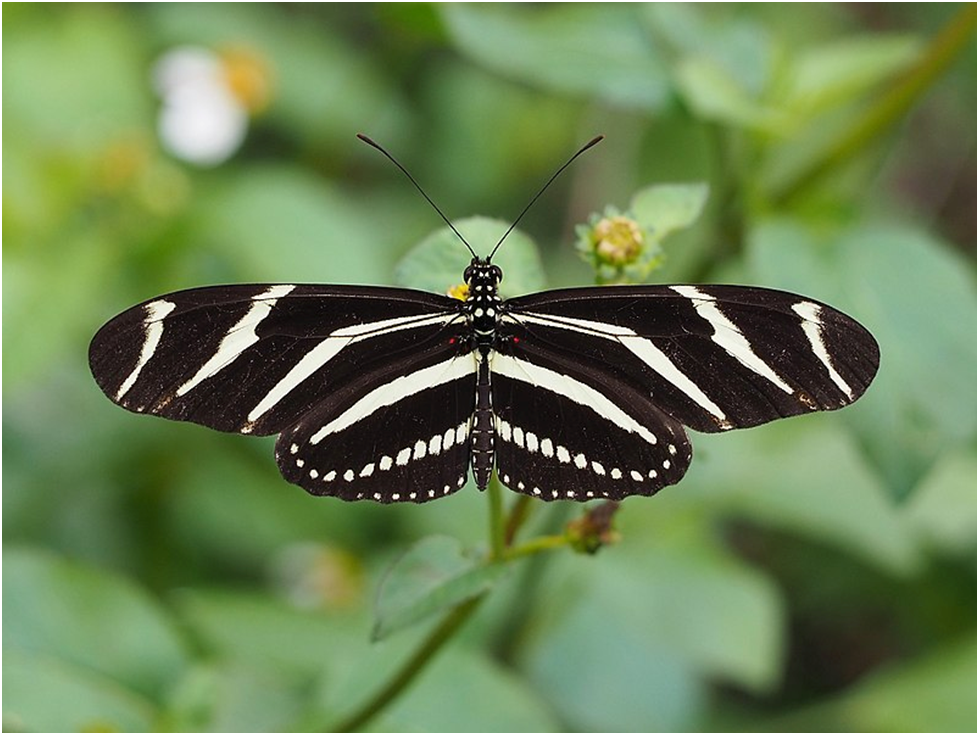
Common local butterflies you may attract include monarchs, which rely on milkweed as their host plant; black swallowtails, whose caterpillars feed on parsley, dill, and fennel; and zebra longwings, which use passion vine.
Gulf fritillaries also depend on passion vine and are often seen fluttering through sunny gardens. Even small spaces can attract cloudless sulfurs with cassia or senna plants.
For nectar, butterflies are drawn to brightly colored, flowering plants such as coneflower, lantana, pentas, zinnias, coreopsis, and milkweed blooms. Planting a variety of flowers that bloom at different times of the year ensures butterflies have a reliable food source throughout the seasons.
By including both host and nectar plants, you create a complete habitat that supports butterflies through every stage of their life cycle. With a little planning, your garden can become a welcoming refuge filled with color, movement, and the joy of local butterflies and bees.
As always, these little creatures will not survive with weed killer, such as Roundup.
Here is the homemade weed killer that works great:
1 gallon horticultural vinegar
12 ounces Epson salt
4 tablespoons dishwashing liquid
Happy Gardening!