

WEEDS – THE NASTY LITTLE UNWANTED PLANT LIFE
Do you have annoying weeds that pop out without warning and can become a real pain to deal with? This article from the Grounds Committee will provide suggestions for dealing with ugly plants in your lawn, planter, driveway or lanai.
Prevention is the most important and the first step toward avoiding weed growth. If you use a service for fertilizing and pest control, much of the following should be included. Here are a few suggestions:
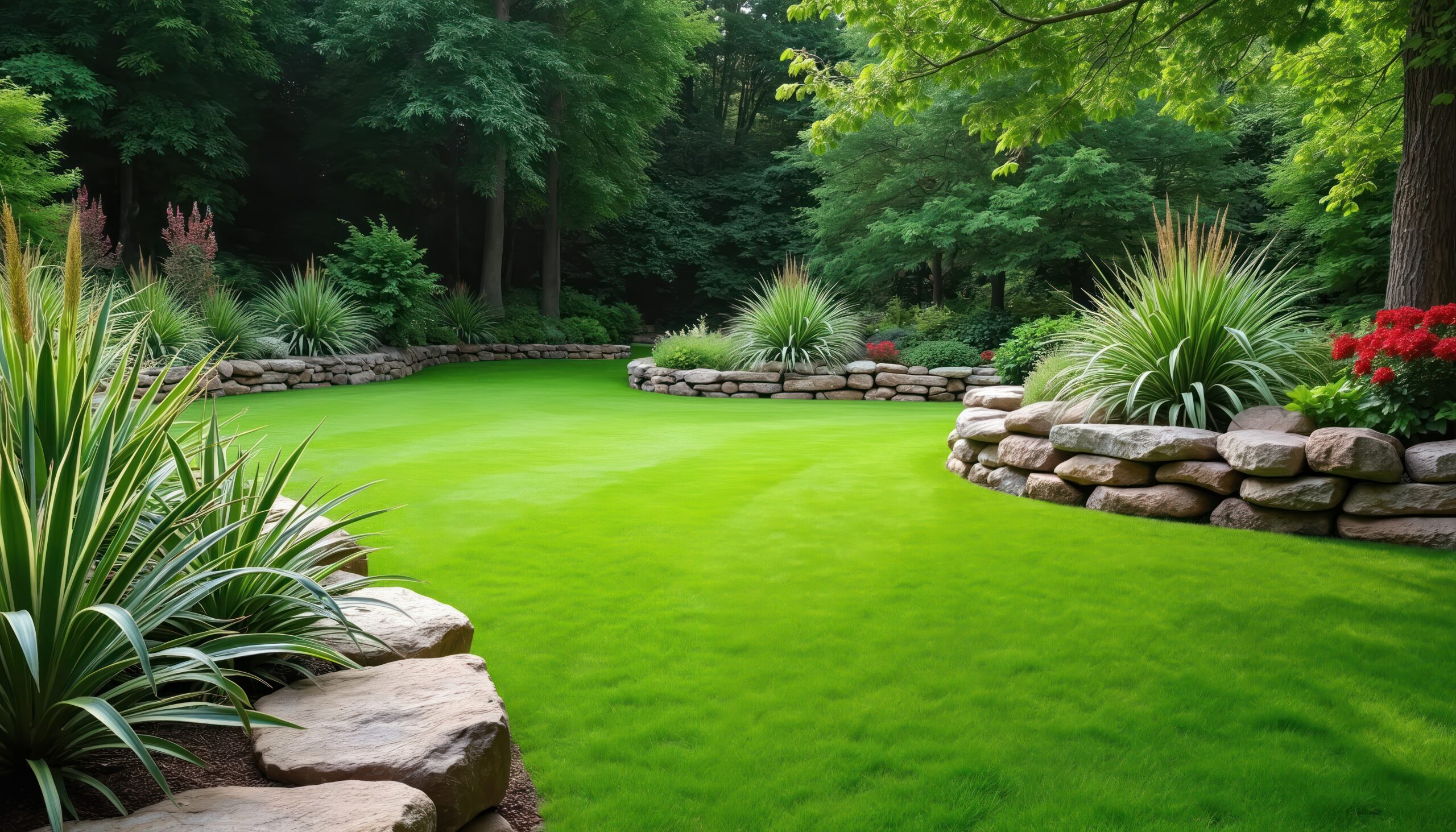
• Lawns: Our St. Augustine lawns do best when watered and fed on a regular basis. Watering this time of the year is often restricted because of drought conditions. While the CLIS (watering system) is restricted for our homes, you can use hoses to supplement where needed. When choosing a fertilizer, look for one formulated for “Southern” grasses. They should specifically say St. Augustine on the packaging.
• Planter beds: As with lawns, water and fertilizer are key factors for healthy plants. Mulch or stones help prevent weeds while keeping moisture in the soil.
• Driveways & lanais: If you have cracks or spaces between pavers, they are ideal places for weeds. For concrete with cracks, you might consider a crack filler. For pavers, use polymeric sand to fill the cracks and a sealer to prevent water from penetrating. Polymeric sand binds to the pavers when wet. It is critical that the sand is applied correctly as any left on the pavers will make for a rough surface.
What to do when the nasty little unwanted plant life does manage to overpower your best efforts? According to experts at the University of Florida:
• Lawns: “Atrazine is one of the most common postemergence herbicides used in St. Augustine turfgrass. It is a systemic herbicide and is effective on many broadleaf weeds. It may be sold as a liquid, sprayable formulation or used in weed-n-feed products. Damage can occur when it applied during warm temperatures (>85°F).”
• Planter Beds: Glyphosate (the main ingredient in Roundup) “is the top-selling pesticide and is available in most retail garden centers and big-box store chains.” Use caution when spraying in your garden as it is a “non-selective” plant killer. Annual plants are particularly susceptible.
• Hard surfaces: Glyphosate is probably the most used weed killer. Use caution to not overspray as you could damage nearby plants and you do not want it in your pool.
When spraying herbicides, it is recommended to avoid contact. Wearing a long-sleeved shirt, pants, and no open-toed shoes are best. “Many Florida counties and municipalities prohibit the application of fertilizer (and sometimes, by extension, weed killers mixed with them) containing nitrogen and phosphorus during the summer rainy season, usually from June 1st to September 30th. Pesticides and fertilizers cannot be applied within a certain distance often 10 to 15 feet of a water body.”
Weeds grow best during our rainy season when they have lots of water. Homeowners are responsible for the appearance of their yards year-round. You may find it helpful to hire a professional to help maintain a weed-free environment. While the Grounds Committee does not make recommendations for those services, a neighbor may be using someone they like. Thank you to all the Herons Glen homeowners who are diligent in keeping this a beautiful place to live.
Thank you to the University of Florida for their on-line articles: