


Photo – Mike Strope, Herons Glen
A simple Florida maintenance reminder that can save you time, money, and frustration!
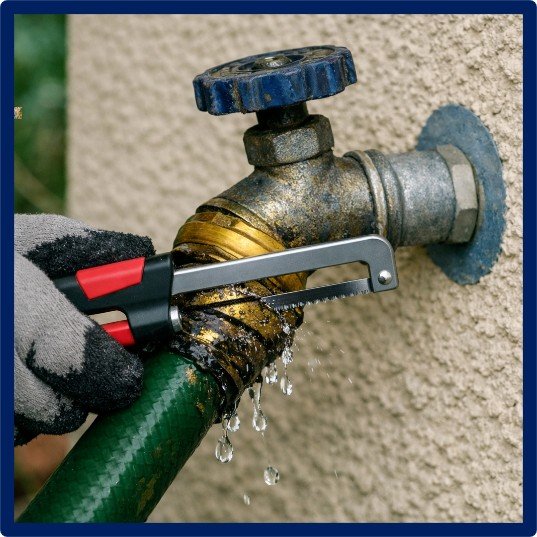
Living in Florida means we enjoy warm weather year-round and that means our outdoor hoses and spigots may get used throughout the year, especially in the winter months. But there’s a small household maintenance issue many homeowners don’t think about until it’s too late: hoses, nozzles, and spigots that seize up and refuse to come apart. No amount of twisting, tugging, or pliers will make a difference. In the end, you will likely have to cut the hose connector off the spigot. Not fun, and not cheap as you may have to replace the hose entirely if unable to also get the nozzle off from the other end. Sometimes you may have luck unloosing the connections using WD-40…but not always.
This problem is very common in Florida, and it’s caused by a combination of factors we live with every day:
- Mineral-heavy water leaves deposits that act like glue
- High humidity encourages corrosion
- Sun exposure heats and expands metal fittings, then they contract at night
- Leaving hoses attached year-round allows the threads to fuse together
Over time, the connection between the hose, nozzle, and spigot can essentially “weld” itself together. The good news? This problem is completely preventable with this simple 2-Minute Maintenance Routine:
Every 60–90 days:
- Unscrew the hose from the spigot
- Unscrew the nozzle from the hose
- Rinse the threads to remove grit or mineral buildup
- Apply a small dab of silicone grease or plumber’s grease
- Reattach snug, but not overly tight
This regular bit of maintenance can prevent a lot of aggravation and save you from having to replace hoses, nozzles, or even spigots.
Quick Guide for Preventing Stuck Hoses & Nozzles
- Loosen and re-tighten every 60–90 days – Prevents fittings from fusing together in Florida’s heat and humidity and mineral laden water.
- Rinse the threads when you disconnect – Removes grit and mineral deposits that act like glue.
- Add a dab of silicone or plumber’s grease – Keeps threads moving freely and stops corrosion.
- Choose brass fittings when possible – They resist seizing far better than cheaper metals.
- Replace rubber washers once a year – Fresh washers prevent leaks and reduce binding.
- Don’t overtighten – Snug is enough – cranking down accelerates seizing.